

common defects in circuit board assembly
Circuit board assembly is a complex process that involves the integration of numerous electronic components onto a substrate to create functional electronic devices. Despite rigorous quality control measures, defects can still occur during assembly, impacting the performance, reliability, and functionality of the final product. Understanding the common defects in circuit board assembly is essential for identifying and rectifying issues to ensure the production of high-quality electronic devices.
One of the most common defects in circuit board assembly is solder joint defects. These defects can manifest in various forms, including insufficient solder, solder bridges, solder balls, and solder voids. Insufficient solder occurs when there is not enough solder to form a robust connection between the component lead and the circuit board pad, leading to weak or intermittent connections. Solder bridges occur when solder inadvertently bridges adjacent pads, causing short circuits and potentially damaging the circuit. Solder balls are spherical blobs of solder that can form during reflow soldering and may cause electrical shorts or reliability issues. Solder voids are cavities or gaps in the solder joint that weaken the connection and may lead to premature failure of the component.
Another common defect in circuit board assembly is component misalignment or misplacement. This occurs when components are not accurately placed or aligned on the circuit board during assembly. Misaligned or misplaced components can result in poor electrical contact, signal interference, or mechanical stress, compromising the functionality and reliability of the device. Automated optical inspection (AOI) systems and automated pick-and-place machines help detect and prevent component misalignment by verifying component placement accuracy during assembly.
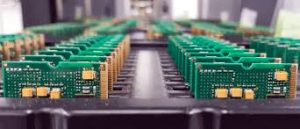
What are the common defects in circuit board assembly?
Furthermore, solder paste defects can contribute to assembly defects. Solder paste is a crucial material used to attach surface mount components to the circuit board during the soldering process. Common solder paste defects include insufficient or excessive deposition, uneven stencil printing, and dried or expired solder paste. Insufficient solder paste deposition can lead to incomplete or weak solder joints, while excessive deposition can cause solder bridging or tombstoning of components. Proper storage and handling of solder paste, along with regular maintenance of stencil printing equipment, are essential for preventing solder paste defects.
Additionally, defects related to cleanliness and contamination can impact circuit board assembly. Contaminants such as flux residues, dust, oils, and moisture can interfere with solder wetting, compromise electrical conductivity, and lead to corrosion or dendritic growth over time. Flux residues left behind after soldering must be thoroughly cleaned to ensure the reliability and longevity of the circuit board. Cleaning processes such as aqueous cleaning, vapor degreasing, or ultrasonic cleaning help remove contaminants and residues from circuit boards, preventing reliability issues and ensuring optimal performance.
Moreover, defects in solder mask application can affect circuit board assembly quality. Solder mask is a protective layer applied to the circuit board to prevent solder bridges and short circuits during assembly. Common solder mask defects include pinholes, bubbles, delamination, and insufficient coverage. Pinholes are small openings in the solder mask that expose underlying copper traces, increasing the risk of solder bridges and electrical shorts. Bubbles or delamination in the solder mask can compromise its protective function, leading to reliability issues and potential failures during operation.
In conclusion, understanding the common defects in circuit board assembly is essential for maintaining high-quality manufacturing standards and ensuring the reliability and functionality of electronic devices. By identifying and addressing solder joint defects, component misalignment, solder paste issues, cleanliness and contamination concerns, and solder mask defects, manufacturers can optimize assembly processes, minimize production errors, and deliver reliable products to consumers. Continuous improvement efforts, along with stringent quality control measures and advanced inspection technologies, are essential for mitigating defects and enhancing the overall quality of circuit board assembly.