

Integrate IoT Devices With Prototype PCB Assembly
The Internet of Things (IoT) is revolutionizing our daily lives in the ways that are most visible to consumers, with smart apps controlling appliances, sensors on vehicles and buildings, and a whole host of wireless communication protocols keeping us connected to the world around us. But there is a bigger picture: IoT devices, from smart greenhouses to industrial automation systems, can also help companies streamline processes and improve efficiency across large regions or even the globe. At the heart of these massive technological achievements are integrated printed circuit boards (PCBs) that hold low-voltage electrical power, electronic control algorithms and proprietary data and connect them to each other and to their owners via communication and connectivity protocols.
IoT devices require a significant amount of hardware to function properly, including sensors that can recognize their physical surroundings and transform them into data that computer algorithms understand. They must be able to send this information over long distances, and they must have the ability to recharge their batteries when not in use. To do so, IoT PCBs must be carefully designed with a focus on extended battery life and power integrity, which involves limiting the amount of energy each device consumes during active and sleep modes.
To do this, designers must optimize power distribution and use low-power components that can last a long time in standby mode while still maintaining adequate performance. A robust assembly process is essential to prevent errors and ensure product reliability, whether it is a PCB prototyping project or full-scale production. prototype printed circuit board assembly manufacturers must employ a wide range of manufacturing techniques, including pick-and-place machines for accurate component placement, reflow soldering and wave soldering for through-hole components, and testing and quality control to guarantee that the finished product functions properly.
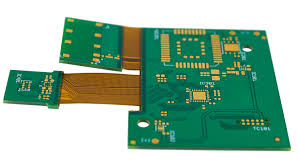
How to Integrate IoT Devices With Prototype PCB Assembly
When it comes to IoT, scalability is also key. As IoT solutions grow, they must be able to integrate additional sensor modules and wireless communication protocols without needing a complete redesign. This can be achieved through PCB design best practices, such as leaving room for expansion and incorporating standard interfaces to promote scalability.
The emergence of 5G technology is also driving new applications for IoT, with many large-scale industries relying on it to streamline their operations. Take the automotive industry for example: IoT is making cars smarter by connecting them to networks, collecting and analysing data, detecting problems, diverting traffic jams, and even summoning emergency services automatically in case of an accident. This is all made possible by smart sensors under the road, in traffic lights and on signage that communicate with driver safety smarts, which are embedded into cars by their manufacturers.
Similarly, factory and transportation automation systems are powered by IoT technology that tracks production progress, monitors the environment, and alerts workers to potential problems. This data is transmitted over the IoT to central control rooms for review and analysis. The results can be used to make improvements in the manufacturing and production processes. The potential for IoT is limitless and will continue to change our world in unexpected ways.