

Rigid Flex PCB Manufacturers
Rigid flex PCBs are used in a variety of high-performance electronic devices, including consumer electronics, automotive components, and aerospace/defense applications. Their reliability, durability, and versatility offer unique value that makes them a compelling choice for manufacturers seeking to build smaller, more durable products. Despite their initial higher price point, rigid flex boards often deliver significant long-term cost savings over traditional PCBs. However, understanding what drives the cost of rigid-flex design is critical for engineers and designers to make an educated decision on which type of PCB to choose for their projects.
Several factors contribute to the overall cost of a rigid flex pcb manufacturer, including material costs, layer count, and fabrication technologies. The cost of core materials, such as substrates and copper, fluctuate based on market conditions, which can impact final pricing. The use of specialty materials and high-performance laminates can further increase the cost of rigid flex designs. Rigid-flex fabrication processes also require specialized equipment and a complex manufacturing process, which can add to the expense.
The overall design of a rigid-flex circuit board is another key factor in its cost. Using the right design tools and minimizing layers can significantly reduce the overall cost of a rigid-flex design. In addition, choosing a fabricator with expertise in rigid flex technology can help designers to optimize the layout for maximum cost efficiency.
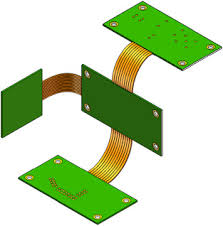
How Rigid Flex PCB Manufacturers Manage Cost Efficiency
The electronics industry continues to evolve rapidly, with devices becoming smaller, more complex, and increasingly multifunctional. At the heart of these advancements lies printed circuit board (PCB) technology. Among the many types of PCBs, rigid-flex PCBs stand out for their unique combination of flexibility and durability, making them essential for modern electronic applications. A rigid-flex PCB manufacturer plays a crucial role in designing, prototyping, and mass-producing these innovative circuit boards to meet diverse industry demands.
For example, a rigid-flex PCB with many rigid sections can be fabricated with fewer layers by utilizing no flow prepregs. These types of prepregs prevent the resin from flowing out onto flex sections, allowing rigid and flexible portions to register to one another reliably. Similarly, the use of internal copper layering and internal solder masks can lower the overall cost of a rigid-flex circuit board by reducing the number of fabrication steps required.
In addition, limiting the use of blind and buried vias can significantly reduce the cost of a rigid-flex design. These techniques are more difficult to achieve reas on able yields in rigid-flex than in rigid boards, which can lead to a significant reduction in overall manufacturi ng yields, which in turn can increase the cost of the end product.
In addition, rigorous testing and quality control procedures are a necessity for any rigid-flex PCB. These tests can be costly, but are essential for ensuring that the finished rigid-flex circuit meets strict standards and specifications.