

Printed Circuit Board Typically Have
A printed circuit board pcba is made up of various layers, all of which serve different purposes. The layer configuration determines the functionality, performance and cost of a finished product. The number of layers also influences manufacturing processes, materials and etching capabilities. For instance, a double-sided PCB with three layers is less costly to produce than a single-sided PCB with the same specifications.
The first step in PCB fabrication involves circuit image transfer, which uses either laser direct imaging or traditional photo tooling to apply the design to a blank PCB. This process is critical to the success of a circuit board, as it ensures accurate and consistent circuit patterns. It also reduces the chance of error, which could disrupt circuit function and ruin the board’s integrity.
Once the printed circuit board pcba has been prepared, it’s ready for the next steps of PCB assembly. This process includes component placement, insertion of drill holes and routing traces. Traces are copper conduits that carry signals or power throughout the circuit board and enable device functionality. They must be routed accurately to avoid signal loss, EMI interference and tracking resistance.
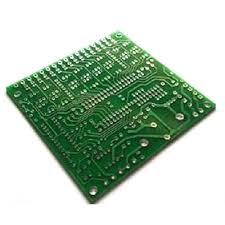
How Many Layers Does a Printed Circuit Board Typically Have?
Another important step in PCB assembly is ensuring that the circuit board has adequate clearances for components and the proper spacing between copper traces. This is critical for efficient current flow and to prevent overlapping and shorting. For example, a ten-layer PCB requires an additional four inches of space for components and traces compared to a six-layer board.
Multi-layer boards are used in a variety of electronics, including smartphones, mobile devices, computers and a wide range of medical equipment like heart monitors and CAT scan machines. These devices are typically too complex for a single-sided PCB, and their high-density designs require more space and connection points than can be accommodated by a single-layer board.
Increasing the layers of a circuit board increases its complexity and cost, but it also allows for higher-density designs and increased functionality. Matching the PCB’s layer count to its design constraints helps balance performance, cost and manufacturability. However, a board with too many layers may be difficult to manufacture and expensive to produce. Therefore, it is essential to understand how many layers a particular circuit board design will need before making the final decision. In addition, it’s a good idea to choose a PCB manufacturer that has the capacity to meet those demands. This is because not all manufacturers offer a complete range of services, and those who do often have high capacities and lead times. This makes it essential to check a potential supplier’s website or contact information before requesting a quote. Then, you’ll be confident that your project will be in good hands. This includes ensuring that the company will be able to deliver on time and within budget.