

Pcb assembly services
Preventing solder bridging during PCB (Printed Circuit Board) assembly services is essential to ensure the reliability and functionality of electronic devices. Solder bridging occurs when excess solder spans the gap between adjacent solder joints, creating unintended electrical connections that can lead to short circuits and device malfunction. Several measures can be implemented throughout the PCB assembly process to minimize the risk of solder bridging and maintain high-quality solder joints.
One of the primary methods to prevent solder bridging is controlling the amount of solder paste applied during the stencil printing process. Solder paste, a mixture of solder alloy and flux, is deposited onto the pcb assembly services pads before component placement. Precise control of solder paste volume and placement ensures that only the necessary amount of solder is applied to each pad, reducing the likelihood of excess solder pooling and bridging between adjacent pads. Advanced stencil printing techniques, such as laser-cut stencils and optimized printing parameters, help achieve consistent and uniform solder paste deposits, minimizing the risk of solder bridging.
Furthermore, proper stencil design and maintenance are critical for preventing solder bridging. Stencils are used to transfer solder paste onto the PCB pads, and any imperfections or inconsistencies in the stencil can contribute to solder bridging issues. Regular inspection and cleaning of stencils, as well as ensuring optimal aperture geometry and thickness, help maintain stencil performance and minimize the risk of solder bridging during the printing process.
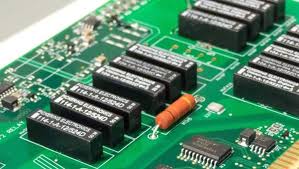
How do you prevent solder bridging during Pcb assembly services?
Moreover, controlling the reflow soldering process is essential for preventing solder bridging. Reflow soldering involves heating the PCB assembly to a specific temperature to melt the solder paste and create solder joints. During reflow, excessive heat or rapid temperature changes can cause solder to flow erratically, leading to the formation of solder bridges. Tight process control, precise temperature profiling, and the use of inert atmospheres or nitrogen purging help ensure uniform heating and cooling, reducing the risk of solder bridging.
Additionally, proper component placement and spacing play a significant role in preventing solder bridging. Components should be positioned on the PCB with adequate spacing between pads to minimize the risk of solder spreading between them during reflow. Automated pick-and-place machines are commonly used in PCB assembly services to precisely position components onto the PCB, ensuring accurate alignment and spacing that help prevent solder bridging caused by component misplacement.
Furthermore, the use of solder mask and solder resist coatings can help prevent solder bridging by confining the flow of solder to the intended areas on the PCB. Solder mask is applied to the PCB surface to define the areas where solder should be deposited, while solder resist coatings are used to protect non-solderable areas from solder contamination. By applying solder mask and solder resist coatings accurately and uniformly, manufacturers can control the flow of solder during reflow and minimize the risk of solder bridging.
In conclusion, preventing solder bridging during PCB assembly services requires a combination of process control, equipment optimization, and attention to detail. By implementing measures such as controlling solder paste deposition, optimizing stencil design, controlling reflow soldering parameters, ensuring proper component placement and spacing, and using solder mask and solder resist coatings, manufacturers can minimize the risk of solder bridging and produce high-quality PCB assemblies with improved reliability and performance.